The Road to CHRO/CPO: Career stories of People Leaders
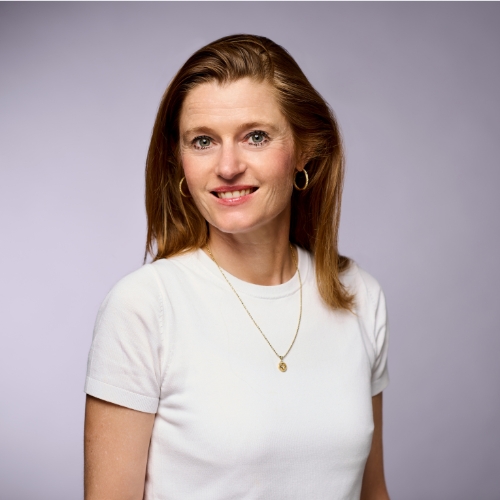
Marieke Bos- van den Berg, Chief People Officer at Ringier, leads the people agenda for one of Europe’s leading media and technology companies. With more than 5,500 employees across 19 countries, Ringier operates a diverse portfolio of media and sports media brands and digital marketplaces, making talent, culture and adaptability central to its continued success.
An international HR leader with extensive experience in transformation, organizational redesign and leadership development, Marieke has held senior HR roles at The Adecco Group, AkzoNobel and Kingfisher Group. Before joining the family owned company Ringier in 2024, she led group-wide organizational and culture transformation initiatives as part of The Adecco Group’s CEO Transformation Team.
Passionate about the future of work and unlocking human potential, Marieke combines strategic transformation expertise with a strong coaching mindset, helping organizations build the leadership and capabilities needed to thrive in a changing world.
When did you know you wanted to become a CHRO?
I don’t think there was a single ‘aha’ moment. It was more a gradual transition. I was trained as a lawyer but quickly realised I wanted something broader and more connected to organisations and people. I moved into consulting, initially focused on corporate governance and executive compensation, before expanding into transformation, culture, and change. Eventually, I became curious about the other side of the table and moved into in-house HR.
From there, the progression felt natural. As I took on more business-facing roles, particularly in HR business partnering and transformation, the CHRO role became the logical next step. It wasn’t a predefined goal but something that evolved as my scope, experience, and curiosity grew. I’ve always been ambitious in exploring how far I could go, but ultimately it became about finding a space where I could combine business, transformation, and people. That’s where I feel most at home.
How did you prepare yourself for the role of CHRO?
If I look at my career, there’s one consistent thread: stepping outside my comfort zone. I’ve been very deliberate, sometimes impatient, about seeking experiences that stretch me. That includes working in different countries, taking on additional projects, and stepping into roles that weren’t obvious next steps. Some of the most valuable preparation came from roles outside of HR. Consulting taught me how to sell ideas, manage projects, and quickly understand different industries. A transformation role I took later, working directly with the CEO and board, pushed me even further. That was truly out of my comfort zone.
Those experiences build resilience and stamina, but more importantly, they help you understand yourself, how you react under pressure, how you navigate ambiguity, and where your limits are. The CHRO role is unique in that you operate in a complex triangle between the CEO, the board, and the executive team. Having been exposed to that dynamic before stepping into the role made a significant difference.
What did those non‑HR experiences add to your toolkit?
They strengthened two things in particular: business credibility and stakeholder navigation. On the business side, being in transformation roles means you truly understand the financials, you understand the P&L, restructuring impacts, and how decisions translate into financial outcomes. That’s essential when working with boards. On the stakeholder side, I gained early exposure to working with executive committees and boards on complex and often sensitive topics. Many CHROs only encounter this for the first time when they step into the role. Having that experience beforehand helped me understand how to shape a narrative, how to influence, and how to manage relationships at that level. It’s not just about what you say, it’s about how you position it, when you engage, and how you bring people along.
“The CHRO role is unique in that you operate in a complex triangle between the CEO, the board, and the executive team. Having been exposed to that dynamic before stepping into the role made a significant difference.”
What surprised you most about the role?
I was quite deliberate in my preparation. I read a lot, spoke to many people, and invested time in onboarding before I even started. And yet, the one thing that still surprised me was the loneliness of the role. You hear about it, but it’s different when you experience it. You hold a lot of sensitive information, and there are situations you simply cannot discuss broadly. Often, only the CEO shares the full picture with you. That creates an emotional weight. You’re constantly navigating complex human situations where the answer is not always clear. That requires not just judgment, but resilience.
That’s why it’s so important to build a strong support structure and to take care of yourself. The basics, sleep, exercise, nutrition, matter more in this role than most people expect.
How do you build a support structure as a CHRO?
It’s something you need to actively curate. First and foremost, your foundation is your personal life: family, partner, close friends. These roles don’t exist in isolation; they impact the people around you as well. Beyond that, I have a group of trusted peers and former colleagues, people I can call when I need to sense-check a situation or think through a challenge. It’s important that this is a two-way relationship; you invest in each other over time. Interestingly, some of the most valuable perspectives come from outside HR. For example, I work with a former CFO who is now my coach. The dynamics he navigated – between CEO, board, and finance – are surprisingly similar to the CHRO role. That cross-functional perspective is incredibly helpful. So it’s not just a network, it’s a personal advisory board of people who can challenge you, support you, and keep you grounded.
How do you know you are making an impact?
For me, impact is not just about KPIs or delivering projects, that’s expected. The real impact happens in more subtle ways. For example, the language people use. If I introduce certain ways of working or framing things, and I hear others start using that language, I know something has landed. I also look at moments that are often invisible, how we handle difficult situations, such as senior exits. If people feel respected and supported, even in tough transitions, that matters. Those individuals become ambassadors for the organisation.
Ultimately, impact is about shaping how leaders behave and how teams operate. If leaders work better together, if teams feel more connected and effective, that’s when I know I’ve made a difference.
What capabilities will CHROs of the future need?
I see three critical capabilities.
First, data and technology fluency. CHROs must read people data with the same rigor as financial data and understand how technology shapes the organisation. Second, deep commercial acumen. You need to understand what makes the business tick, not just in general, but specifically in your organisation. What worked elsewhere may not work here. Third, and most important: change and transformation capability. Change is the only constant. The ability to guide organisations through continuous transformation will define the CHRO role going forward.
I would also strongly recommend gaining experience outside HR. It builds credibility and gives you a different perspective when you return.
What excites you about the future of the CHRO role?
We’re at a fascinating moment. Technology, especially AI, is fundamentally changing how organisations are designed. We’re moving towards a model where humans and ‘agents’ work together, and much of the executional work is automated. That raises entirely new questions about organisational design, workforce structure, and even how we define teams and costs. This is not just about using AI for efficiency, it’s about redesigning how work happens. And that is largely a people challenge. That’s why I believe this is one of the most exciting times to be in HR. The role is becoming more strategic, more central, and more influential than ever before.
What’s your wish for the next generation of leaders?
Two things: curiosity and courage.
Be curious: about the world, about business, about people. And be courageous enough to step outside your comfort zone.
Growth comes from doing things you’re not sure you’re ready for, moving countries, taking unexpected roles, putting your hand up for opportunities. Don’t wait to be asked. Raise your hand. Be bold.
And remember: you need people who take bets on you, but you also need to take that step yourself. Those experiences build the resilience and perspective you need to lead in an increasingly complex world.
“Change is the only constant. The ability to guide organisations through continuous transformation will define the CHRO role going forward.”

Interview by Joan Beets
Joan Beets, in her global corporate career that spanned 15 years, worked across industries (Oil&Gas, Staffing, Food Ingredients) and functions (HRBP, Talent, Change Management and HR Strategy) for large multi-national organizations. Joan have opened and closed offices in Asia and Europe, led the development of a contingent workforce framework to support multi-year Engineering projects, drove the HR aspects of a business transformation of a Global IT organization, developed and implemented a Global Mobility strategy and led the change management process of the transfer of on-site HR services to a shared service model in Europe and North America (incl. roll out of a new SuccessFactors platform).